
Tento príspevok bol pôvodne publikovaný na stránke https://cointelegraph.com/news/paxos-3b-usdg-stablecoin-launches-arbitrum?utm_source=rss_feed&utm_medium=rss&utm_campaign=rss_partner_inbound a autorom článku je Cointelegraph by Nate Kostar. Tento článok je iba kópia originálneho článku.
https://s3-images.ctmedia.io/media/article-covers/2026/10/01M46WBG22HWMG48BG05ZYED9S/hi-others-are-making-a-push-to-build-crypto-infrastructure-as-stablecoin-expands-distribution.pngPaxos-issued stablecoin Global Dollar (USDG) has launched on Arbitrum as the blockchain joins the Global Dollar Network.
According to an announcement shared with Cointelegraph, USDG is natively issued on Arbitrum One, with integrations across decentralized finance protocols including Fluid, Morpho, GMX and Maple. Kraken will support deposits and withdrawals, while Stargate will enable transfers between Arbitrum and other blockchains.
A proposal submitted to the ArbitrumDAO would make USDG growth a strategic objective and add 100 million ARB to an incentive program to increase adoption. The proposal also calls for deploying Arbitrum treasury assets to support USDG liquidity, while businesses integrating the stablecoin can apply for support from the Arbitrum Foundation.
As a Global Dollar Network partner, Arbitrum will share in rewards generated by USDG activity on the network, with the proceeds directed toward adoption and ecosystem development.
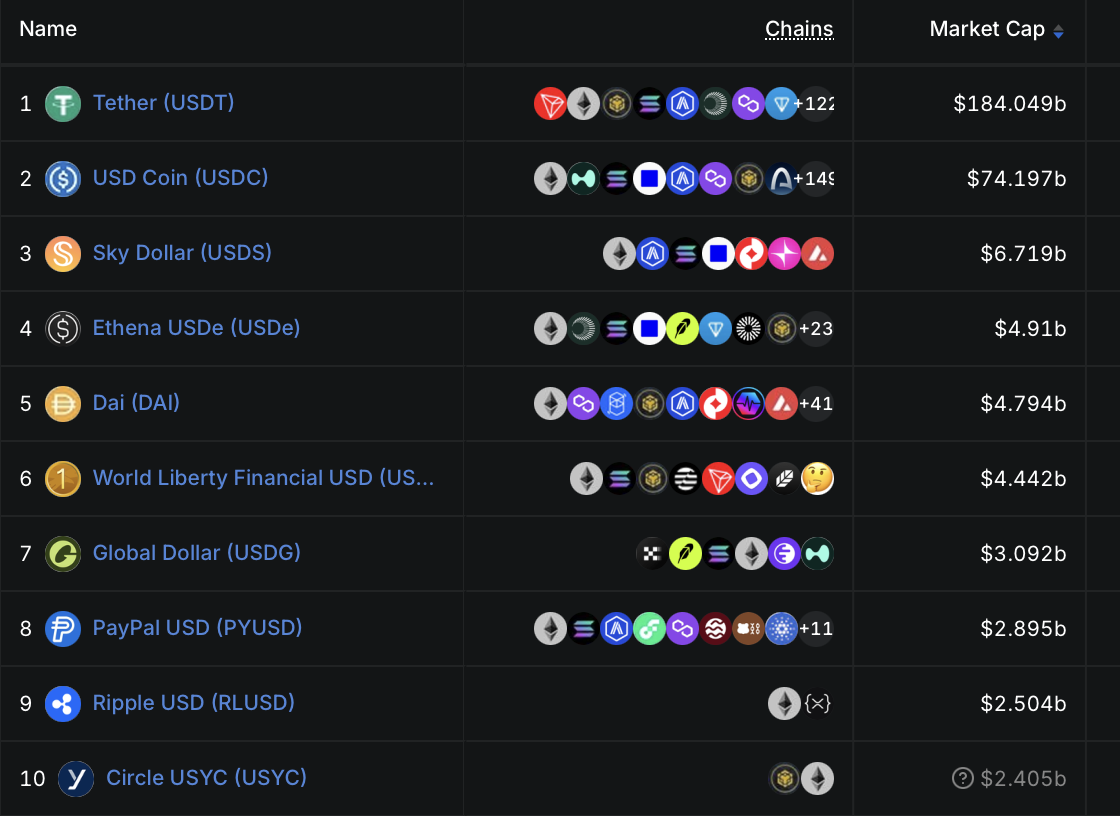
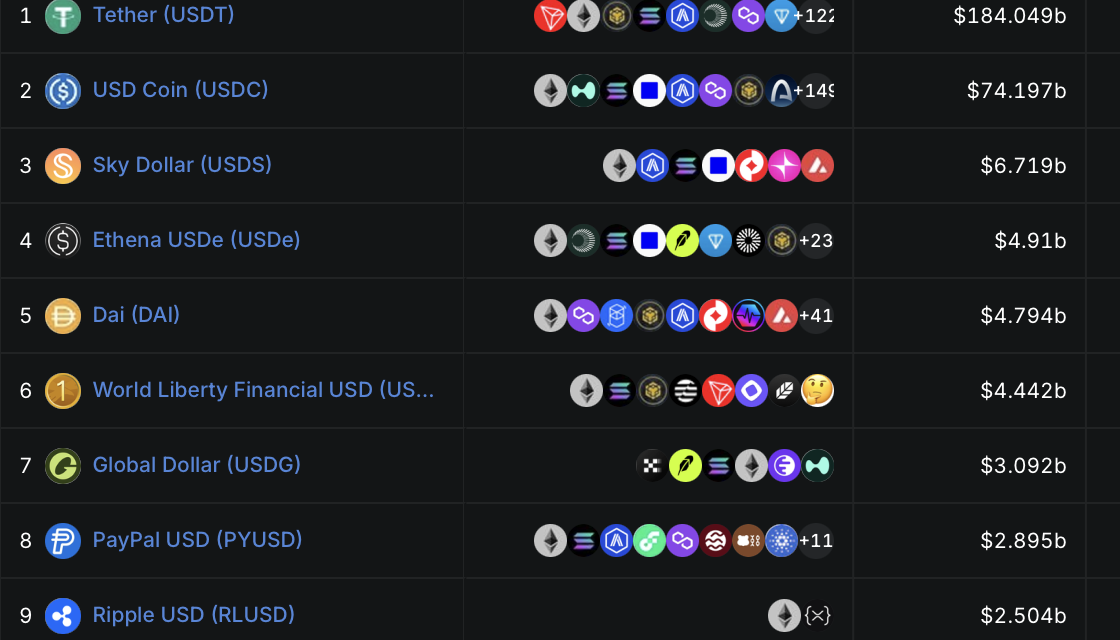
About $4 billion in stablecoins are currently held on Arbitrum, according to the Arbitrum Foundation. USDG, meanwhile, is the seventh-largest stablecoin by market capitalization, with about $3.09 billion in circulation, according to DeFiLlama data. Most of its supply is concentrated on X Layer, Robinhood Chain and Solana.
Related: Mantle adds Paxos’ USDG stablecoin, joins Global Dollar Network
Arbitrum targets growing tokenization market
The USDG launch comes as Arbitrum expands beyond crypto-native applications and becomes infrastructure for financial platforms bringing traditional assets onchain.
The most prominent example is Robinhood Chain, which launched its public mainnet in July after a public testnet debuted in February. The Ethereum layer-2 network is built using Arbitrum and designed to support tokenized real-world and digital assets, including 24/7 trading, lending markets and perpetual futures exchanges.
Last month, Standard Chartered said Robinhood Chain could signal a shift in Arbitrum’s economics, with the network receiving 10% of net protocol revenue generated by companies building on its infrastructure.
The bank forecast that those economics, combined with growing asset tokenization, could help push ARB to $10 by 2030, roughly 70 times its price at the time. Standard Chartered expects tokenized assets to reach $4 trillion by the end of 2028, with Arbitrum among the potential beneficiaries as more assets move onchain.
Magazine: Stablecoins can drain from banks and nations at lightning speed



