
Tento príspevok bol pôvodne publikovaný na stránke https://cointelegraph.com/markets/bitcoin-bounces-to-84k-after-us-30-year-bond-yield-sets-24-year-high?utm_source=rss_feed&utm_medium=rss&utm_campaign=rss_partner_inbound a autorom článku je Cointelegraph By William Suberg. Tento článok je iba kópia originálneho článku.
https://s3-images.ctmedia.io/media/article-covers/2026/09/01M285JYCZ9QMJKNR8RK6TQCBQ/hi-what-is-a-bitcoin-bond-etf-and-how-does-it-work.jpgBitcoin (BTC) preserved crucial support into Tuesday as analysis warned of a new profit-taking surge.
Key points:
- Bitcoin rebounded to $84,000 without violating $82,500, a level seen as essential to protecting market strength.
- US 30-year bond yields reached 5.58%, their highest level since June 2002, continuing a historic bond bear market.
- Glassnode analysis cautioned about ongoing profit-taking by Bitcoin investors in the week through Sept. 27.
BTC price steadies as bond yields come off multidecade highs
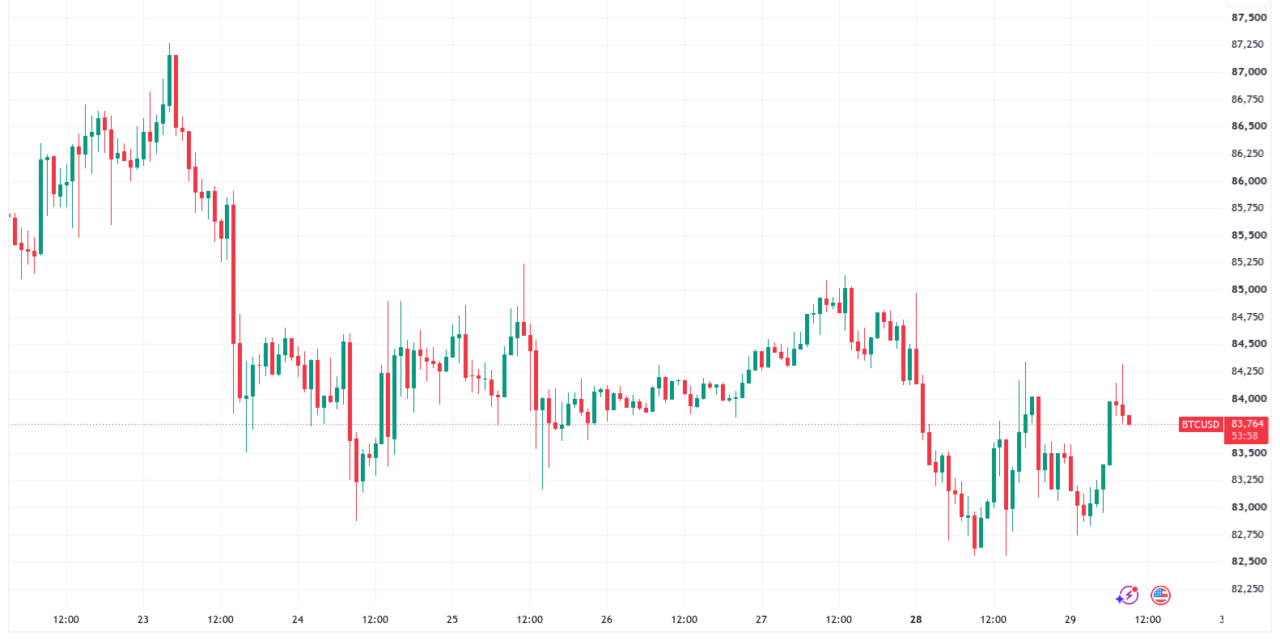
Data from TradingView showed BTC/USD trading in a narrow intraday range below $84,300.
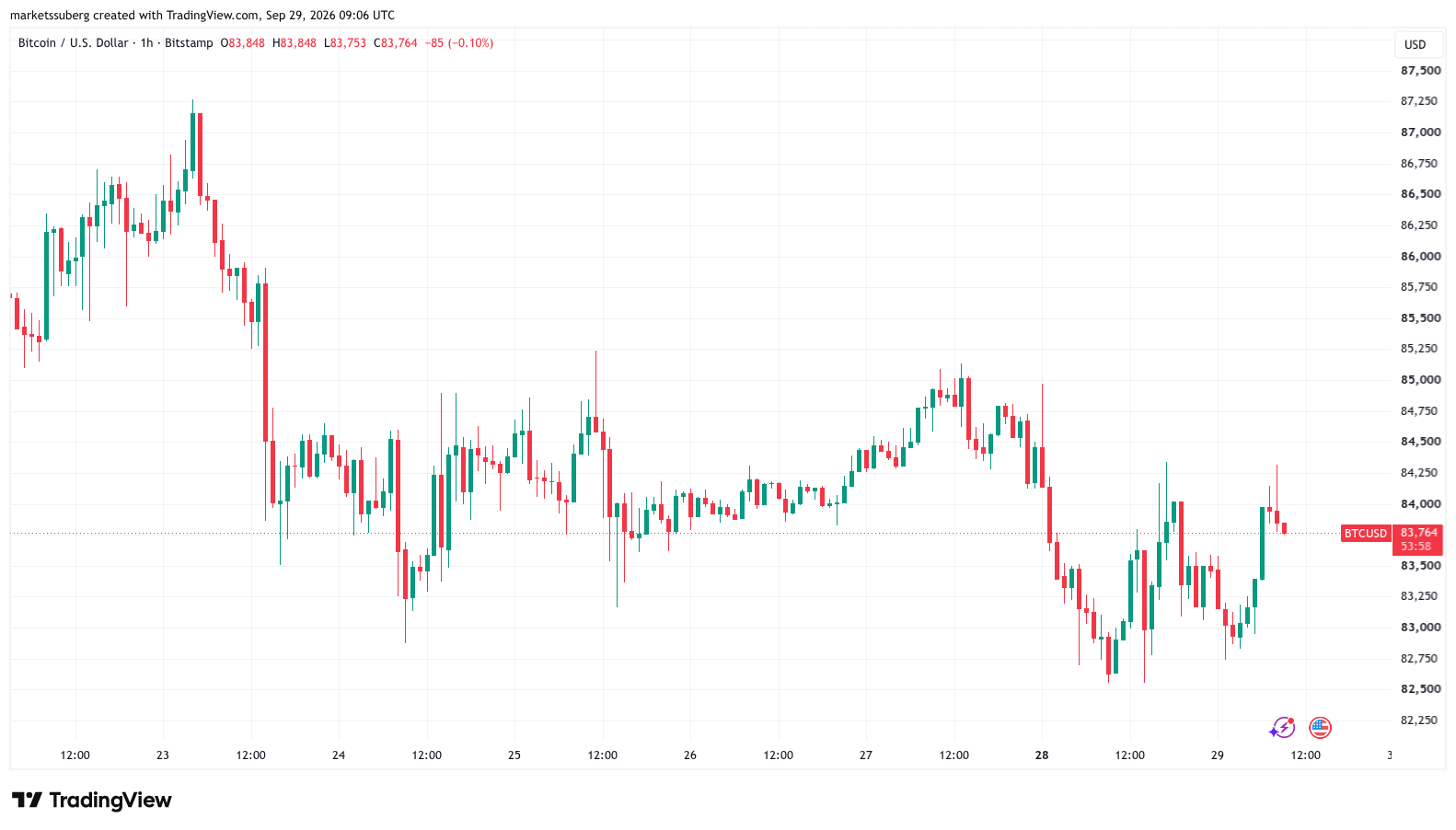
BTC/USD one-hour chart. Source: Cointelegraph/TradingView
The pair saw pressure on Monday as risk assets fell on uncertainty over the US-Iran war and associated global oil supplies, while bond yields spiked. The US 30-year yield reached 5.58%, its highest since June 2002, before easing to 5.55% at the time of writing. The 10-year yield hit 5.26%, a level last seen in June 2007.
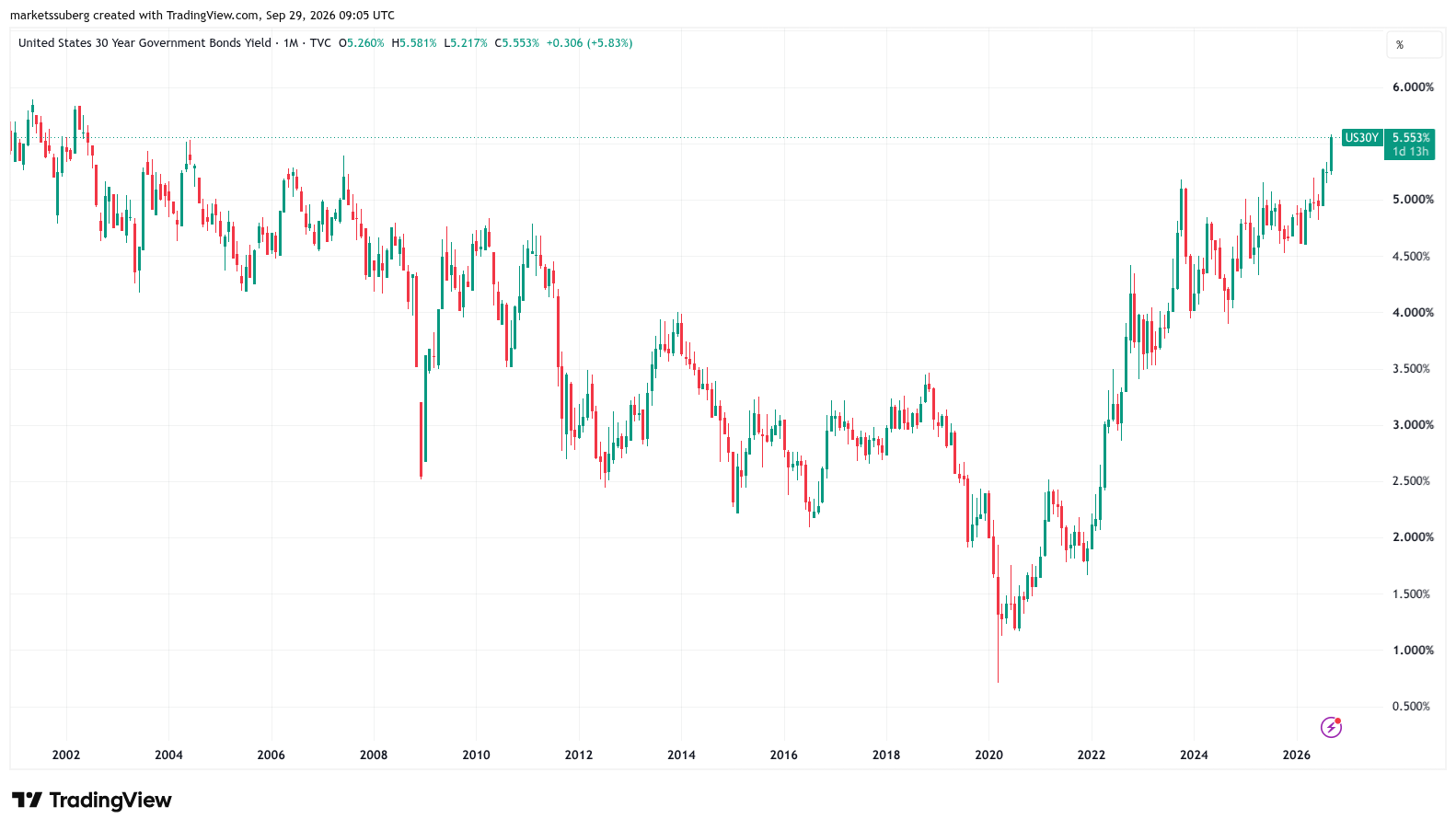
US 30-year bond yield one-month chart. Source: Cointelegraph/TradingView
“Bitcoin’s recent technical strength faces potential pressure from the convergence of geopolitical uncertainty, macroeconomic data risk, and broad-based deleveraging,” trading company QCP Capital commented in its latest analysis.
QCP saw war developments and the week’s upcoming US macroeconomic data prints as the main prospective volatility catalysts for crypto and risk assets in the short term. The latter includes the August print of the Personal Consumption Expenditures (PCE) index on Wednesday and Friday’s nonfarm payrolls data for September.
Bitcoin, however, avoided falling below $82,500, a level that analysis by trader Rekt Capital identified as essential to protecting its uptrend. As Cointelegraph reported, on weekly time frames, spot price continues to repeat an inverse head-and-shoulders reversal pattern that began the recovery from its 2022 bear market.
In a subsequent update, Rekt Capital saw BTC/USD retesting the top of the $60,000-80,000 range, where it spent much of 2026, as support.
“It is fair to say this current retest is a trend-defining one,” he emphasized.
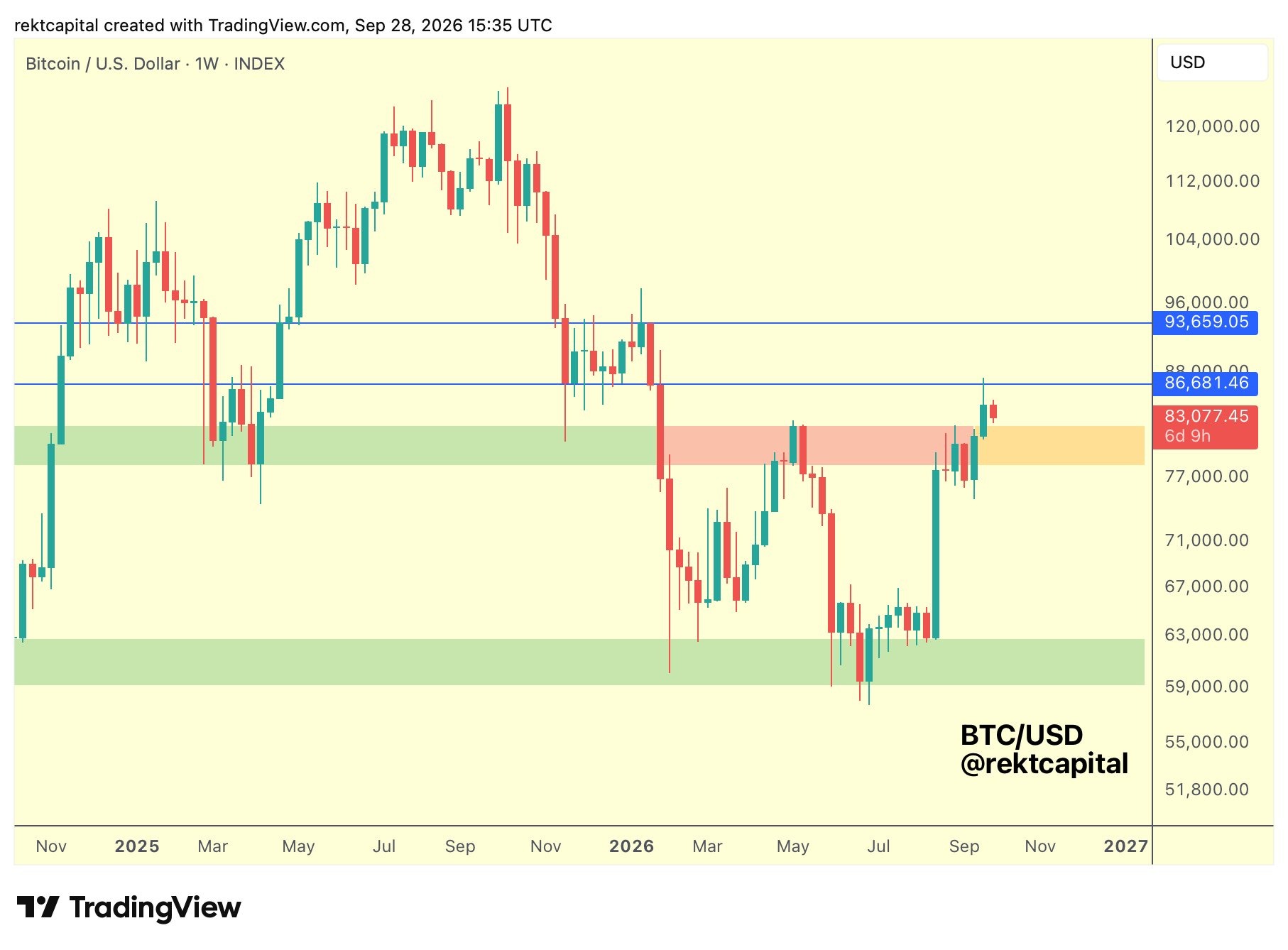
BTC/USD one-week chart. Source: Rekt Capital on X.com
Analysis: Bitcoin now “dominated” by profit-taking
In its latest Market Pulse update, onchain analytics platform Glassnode saw profit-taking among Bitcoin investors increasingly impacting price momentum.
Related: Crypto metric signals altseason as Bitcoin market-cap share stalls below 60%
Both realized and unrealized profit increased considerably over the past week, with overall profitability “stretched” at current price levels. Net unrealized profit/loss (NUPL), which measures the difference between the market value of the BTC supply and the price at which it last moved onchain, hit 14.25 at the start of the week, its highest reading since January.
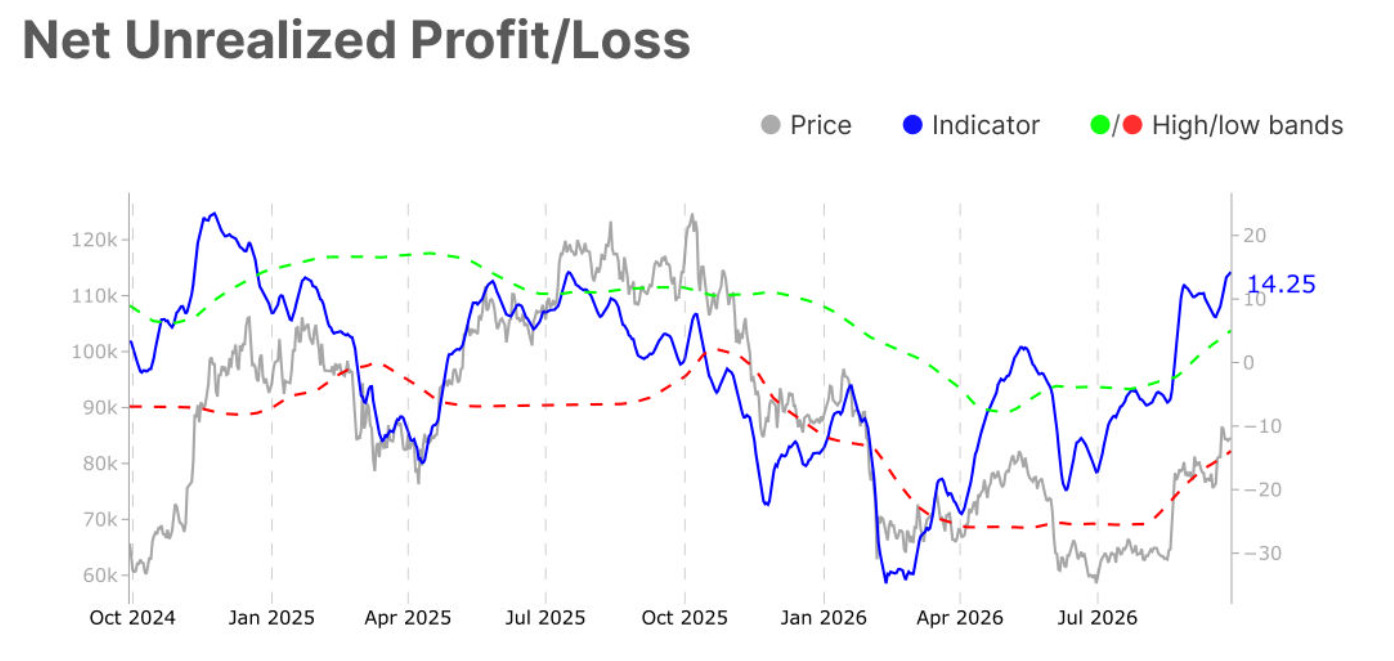
Bitcoin NUPL data (screenshot). Source: Glassnode
The ratio of coins moving onchain in profit compared to in loss also increased substantially last week, from 0.8 to 1.4. This, Glassnode warned, “strongly suggests a market environment dominated by profit-taking activities.”
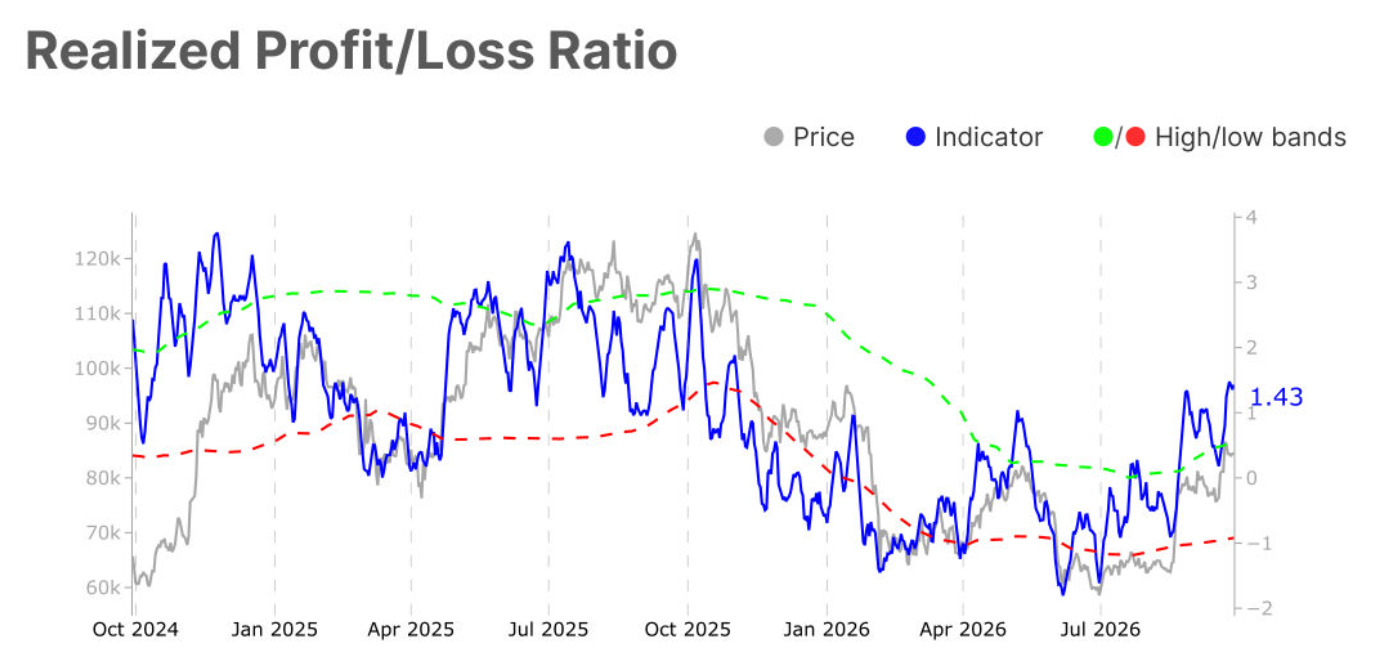
Bitcoin realized profit/loss ratio (screenshot). Source: Glassnode
Previously, Cointelegraph reported on expectations that price upside would stall closer to $90,000 as investors locked in profit.



