
Autor Cointelegraph By Tayyub Yaqoob

Will AI talent marketplaces replace traditional employment models?

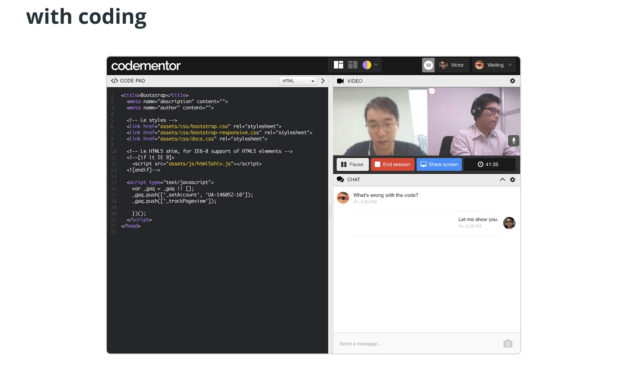
As artificial intelligence continues to progress and become more prominent in the workplace, it is logical to wonder what the future holds for AI talent marketplaces as well as traditional employment models. One thing is certain: AI talent marketplaces are here to stay. According to a report by ResearchAndMarkets.com, the artificial intelligence industry is expected to grow at a compound annual growth rate of 36.2% from $86.9 billion in 2022 to $407.0 billion by 2027. This growth is driven by the increasing adoption of AI technologies in various industries and the need for businesses to keep up with the pace of technological change.  As AI talent marketplaces continue to grow, traditional employment models are likely to be disrupted even further. In the past, people typically found jobs through traditional means such as networking, job boards or recruitment agencies.  However, AI talent marketplaces are changing the game by connecting businesses with skilled professionals from all over the world, making it easier for businesses to find the talent they need quickly and efficiently. For example, Codementor connects coders with mentors for coding assistance and also offers a freelance platform where clients can post job requests and coders can apply for projects. Another trend that is likely to continue is the increasing use of AI in recruitment and talent management. AI-powered tools like Textio can analyze job descriptions and candidate resumes, match job seekers with open positions, and even conduct initial interviews. This not only saves time and resources for businesses, but it also helps ensure that candidates are matched with jobs that align with their skills and interests.  Despite the many benefits of AI talent marketplaces, traditional employment models are unlikely to disappear entirely. There will always be some jobs that require a physical presence or that cannot be performed remotely.  Healthcare professionals, construction workers and emergency responders are some examples of jobs that require physical presence and cannot be performed remotely. Additionally, many people still prefer the stability and benefits that come with traditional employment, such as health insurance and retirement plans.  Another factor that will shape the future of AI talent marketplaces is the ongoing debate around the impact of AI on jobs. While some argue that AI will lead to widespread job loss, others believe that it will create new jobs and opportunities. The truth likely lies somewhere in between, with AI disrupting some industries while creating new ones.  Regardless, the rise of AI talent marketplaces is changing the world of work in significant ways. While traditional employment models are unlikely to disappear entirely, they will continue to be disrupted by the growth of AI talent marketplaces and the increasing use of AI in recruitment and talent management. The future of work will be shaped by many factors, including the ongoing evolution of AI technologies, changing attitudes toward work and employment, and the regulatory frameworks that are put in place to govern these platforms.

Čítaj viac

What is Auto-GPT, and why does it matter?

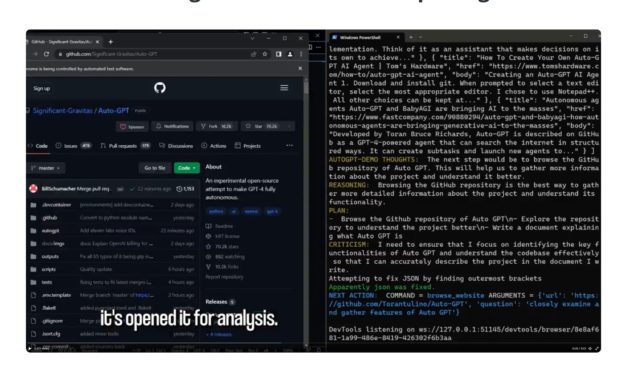
Auto-GPT is highly effective at task automation due to its ability to connect to the internet for searches, manage long-term and short-term memory, generate complex text using GPT-4 instances, connect to major websites and platforms, store and summarize files using GPT-3.5, and expand its capabilities with plugins. Auto-GPT is a powerful tool for task-oriented conversations and automation due to numerous substantial features. These characteristics are as follows:  Internet connectivity for searches and data collection Auto-GPT may connect to the internet to search for information and collect data to help with job completion. This means it can present users with more up-to-date information.  Management of long-term and short-term memory Auto-GPT can remember previous conversations and utilize that knowledge to offer better replies in the future. It can also handle short-term memory (the ability to temporarily store and recall information that is needed for current or upcoming tasks), which is useful for keeping track of activities and sub-tasks. Text generation using GPT-4 instances Auto-GPT generates text using GPT-4 instances; consequently, it can provide more complicated and accurate responses than other chatbots. Access to popular websites and platforms Auto-GPT can connect to major websites and platforms to automate things like sending emails, booking appointments and posting on social media.  File storage and summarization with GPT-3.5 Auto-GPT can store and summarize files using GPT-3.5, allowing it to help users organize and manage their data efficiently.  Plugin extensibility Auto-GPT may be enhanced with plugins to provide new features and increase its capabilities. This means it may adapt to your individual requirements and become a more powerful task automation solution.

Čítaj viac

Ethical considerations in AI development and deployment

Regulatory frameworks can be crucial in ensuring AI’s ethical development and deployment by setting standards and guidelines that promote accountability, transparency and fairness in using AI technology. By setting standards for transparency, mitigating bias and discrimination, ensuring privacy and data protection, promoting ethical decision-making, and providing monitoring and enforcement mechanisms, regulations can help ensure that AI systems are developed and used responsibly and ethically. Here are some key ways in which regulations can help ensure that AI systems are developed and used in a responsible and ethical manner: Setting standards for transparency and explainability Rules may call for the development of transparent and understandable AI systems that make it simpler for people to comprehend how the system makes decisions. For instance, the GDPR, which applies to all organizations operating within the EU, requires that companies ensure that personal data is processed transparently and securely, and that individuals have the right to access and control their data. Mitigating bias and discrimination Rules may call for the testing of AI systems for bias and prejudice, as well as the implementation of mitigation measures. This may entail mandating the usage of various data sets and monitoring the system’s performance to ensure that it does not unfairly affect particular groups. For instance, the Algorithmic Accountability Act of 2022 requires companies in the United States to assess the impact of their AI systems on factors such as bias, discrimination and privacy, and to take steps to mitigate any negative effects. Enabling moral decision-making Laws can establish criteria for moral decision-making in AI systems. To address this, it may be necessary to mandate that systems be created so that they work in a fair and non-discriminatory manner without maintaining or exacerbating existing social or economic imbalances. Related: OpenAI needs a DAO to manage ChatGPT For instance, Ethics Guidelines for Trustworthy Artificial Intelligence, developed by the European Commission’s High-Level Expert Group on AI, provide a framework for ensuring that AI systems are developed and used ethically and responsibly. Privacy and data protection Laws may call for AI systems to be built with privacy and data security in mind. This can entail mandating encryption and access controls, ensuring that data is only used for the intended function. For instance, the Fairness, Accountability, and Transparency in Machine Learning workshop series brings together researchers, policymakers and practitioners to discuss strategies for mitigating the risks of bias and discrimination in AI systems. Monitoring and enforcement Regulations may incorporate monitoring and enforcement measures to ensure that AI systems are being developed and utilized in accordance with ethical and legal standards. This may entail mandating routine audits and evaluations of AI systems.

Čítaj viac

Získaj BONUS 8 € v Bitcoinoch

nakup bitcoin z karty

Registrácia Binance

Burza Binance

Aktuálne kurzy

