Autor Cointelegraph By Rachel Wolfson

Grassroots initiatives are bringing Bitcoin education to communities across America

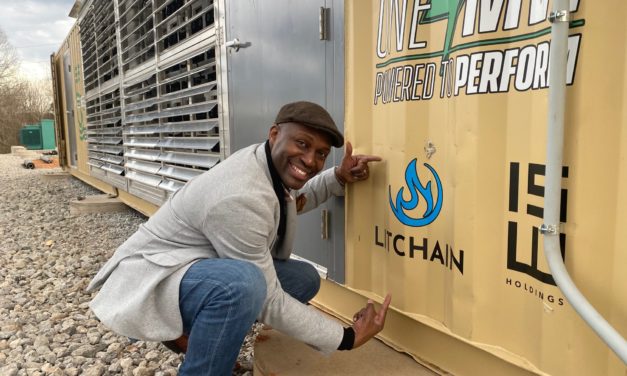
Bitcoin is becoming one of the biggest buzzwords in the world. Data from a July 2021 survey conducted by analysis firm Exploding Topics found that roughly 1,700 American adults, or 89% of participants, had heard of Bitcoin. A recent survey from the cryptocurrency platform Paxful also found that 95% of women out of 1,555 females polled in the United States were familiar with Bitcoin. While Bitcoin’s (BTC) presence is notable, there still seems to be a lack of understanding regarding BTC and cryptocurrency. For instance, Paxful’s survey discovered that 43% of women polled in the United States want to learn more about Bitcoin, even though 95% of these individuals know that BTC exists. In addition, underprivileged communities and minorities have expressed interest in learning about Bitcoin and crypto as digital assets gain popularity.Bitcoin in low-income American communitiesIn order to bring crypto education to those who need it the most, grassroots initiatives are launching throughout the U.S. that target disenfranchised communities. For example, Najah Roberts, CEO of Crypto Blockchain Plug — a Black-owned crypto education center based in Inglewood, California — told Cointelegraph that she will soon be traveling to 41 cities across the U.S. to help disenfranchised communities understand Bitcoin’s importance: “From May 29 to July 13, my team and I will be going to different cities in the U.S. to help people download digital wallets, along with educating them on why Bitcoin is critically important to the black and brown community. We will be in some of the poorest cities in America, all within a 45-day time period.” Known as “The Digital Financial Revolution Tour,” Roberts explained that this will be the second year she will travel across the country with a team of crypto experts to promote Bitcoin education. “We previously reached about 2,000 people last year, which was incredible given that the world was still coming out of the COVID-19 pandemic,” Roberts said. Given the project’s previous success, Roberts believes this year’s tour will produce phenomenal results. “We are going to be holding ‘corner classes,’ meaning we will set up shop on different corners in the middle of inner cities. Most of the people who stop by will most likely be unfamiliar with Bitcoin, while some may be familiar with it but want to learn more. My personal goal is to give everyone $10 worth of BTC just for registering.”Roberts elaborated that the second Digital Financial Revolution Tour will begin in California in cities including Los Angeles and Oakland, and will then head to Las Vegas, Arizona and New Mexico. “We plan to go to the poorest places first, like Lake Charles in Baltimore. We picked the most disenfranchised, unbanked and underbanked areas to get folks educated.” Rather than hosting “corner classes” outside neutral locations like a local church, for instance, Roberts explained that groups will congregate in front of beauty shops and neighborhood storefronts. “I try to be objective about locations so everyone feels comfortable to come out and learn.” While the idea of traveling across 41 different cities in the U.S. within a 45-day timespan may sound difficult, Roberts shared that the biggest challenge this year is to help people in low-income communities understand why they actually need Bitcoin: “We have to meet people where they are, even if that means going to housing projects or neighborhoods where politicians never even visit. Our goal is to not only get people to understand Bitcoin but also to change the way they think about money. This is about financial literacy and understanding how money works.” Roberts isn’t the only one aiming to bring financial literacy to the masses. Bitcoin analyst Tony Tate told Cointelegraph that no one ever talked about money when he was growing up due to community values. “No one ever talked about politics, religion or money where I came from,” he said. Yet, Tate stated that education has always been a priority for him, which is why he believes educating disenfranchised communities will make it easier for individuals to understand the potential of cryptocurrency:“People should be afraid of fiat money because it’s not backed by anything. Blockchain, however, is backed by proof-of-work or proof-of-stake mechanisms, so getting this education in the hands of people who don’t have a lot makes it easier for them to understand.” In order to accomplish this, Tate recently launched Litchain, a  Bitcoin educational initiative expected to spur economic growth in the rural town of Gaffney, South Carolina. “We opened the doors of the first Black-owned Bitcoin data center in Gaffney. The 20 modular data centers will house Bitcoin mining computers and create jobs that pay $60,000 or more,” he explained. The Litchain Corporation’s new data center is one of Tate‘s first three mining centers in the U.S. He said that the company aims to open 144 more across the country:“All the time, we hear about mining companies opening their doors somewhere, but we never see the faces behind them. It’s very important that I open a BTC mining center in a community where people can associate a name and face with cryptocurrency adoption. This will make mass adoption happen faster.” Tony Tate at the opening of Litchain’s Bitcoin datacenter in Gaffney. Source: LitchainIn addition to the Litchain data center, Tate said that he is launching a five-year crypto education initiative on crypto literacy:“This project will provide courses in crypto education to minorities interested in learning about crypto assets. Education materials and outreach efforts will explain how crypto assets work and how they differ from traditional payment formats to illustrate how crypto could offer benefits to blacks and minorities that have been historically discriminated against by traditional banks.” According to Tate, this initiative will include a grassroots campaign, digital advertising and online courses provided by LitU, which is Tate’s online university that will also feature pop-up community classes in Philadelphia, New York, Washington D.C., Houston, Chicago, Atlanta, Detroit, Cleveland, Charlotte and Charleston. Tate hopes these initiatives will inspire others to look at Bitcoin as an improved financial inclusion system and a major step in closing the racial wealth gap in the United States. “Everyone has to wrap their minds around crypto before the world wraps their arms around it,” he remarked. A look inside Litchain’s Bitcoin datacenter in Gaffney. Source: LitchainWhile both Roberts and Tate are launching large scale initiatives, crypto influencer and YouTuber Wendy O told Cointelegraph during NFT LA that she will soon be launching a local grassroots initiative in Los Angeles to teach youth between the ages of seven and seventeen about Bitcoin, cryptocurrency and nonfungible tokens, or NFTs. Wendy O explained that she will partner with the Los Angeles based Self-Care Lab Boxing and Fitness Club to host monthly meetups to teach children about the blockchain and crypto ecosystem: “In reality, anyone can participate in crypto. For instance, I come from an underprivileged neighborhood in Los Angeles, which is why it’s important for me to include everyone in this initiative. I’ve hosted dozens of meetups in LA county since 2018 to create a place for people to learn about crypto without having to pay thousands of dollars for a conference ticket or be shilled coins, or even Bitcoin for that matter.” Related: NFT LA: Attract the mainstream, focus on Web3 and use casesLike Roberts and Tate, Wendy O wants to use cryptocurrency education as a way to promote personal finance. “Financial literacy isn’t taught in schools, unfortunately. But, when individuals learn how money works, they are able to change their spending habits and even break away from generational curses,” she said. Wendy O explained that when she initially learned about Bitcoin in 2011 and was able to better understand fiat money and inflation. “I think these kids will be able to take this information and retrain their minds to do things differently than previous generations.” Getting grassroots initiatives off the ground While it’s extremely notable that grassroots initiatives are being launched by members of the crypto community, it’s also important to recognize the challenges that may arise along the way. For instance, Roberts pointed out that last year’s Digital Financial Revolution Tour was entirely self-funded, noting that she hopes to secure sponsors this year. “We are in the process of speaking with the hardware wallet provider Ledger, as we aim to give everyone physical wallets and show them how to store their seed phrases.” Wendy O also hopes to partner with a cryptocurrency wallet provider or an exchange to ensure that food and drinks for her monthly meetups can be covered. “I would like to give $25 worth of BTC to everyone who attends,” she said. Regardless of sponsorships, both Roberts and Wendy O are optimistic that their projects will teach those in need about financial literacy simply by explaining how Bitcoin and cryptocurrency work. Grassroots initiatives sponsored by crypto companies have proven to be very successful given the added help. For example, GoodDollar — a nonprofit protocol for financial education and inclusion in Web3 — launched an ambassador program early last year to allow its 350,000 community members to distribute free crypto universal basic income to anybody with access to a cell phone and an internet connection. Jessica Salama, community lead at GoodDollar, told Cointelegraph that individual GoodDollar ambassadors are making headway in spreading the word about crypto by showing others how to use and access digital currency. She said that GoodDollar ambassador Etugbo Obokparo Stephen in Nigeria has hosted local meetups at his university to help fellow students open their first digital wallets and begin learning Web3, crypto and blockchain fundamentals. “His initial gathering was the first blockchain conference ever held in his locality,” Salama said. To promote Crypto Education @gooddollarorg and I helped a student in Nigeria to get a new smartphone to study and start his Crypto journey. It’s my desire to do more. I was suppose to go around Schools early this month to further do Crypto Education… pic.twitter.com/dXAkgTU86J— StevE (@StevE78846497) April 7, 2022Stephen further told Cointelegraph, “I’ve always communicated with people on social media, but when I joined GoodDollar’s ambassador program, I was able to bring more people into crypto because they supported my initiative financially and with words of encouragement.”

Čítaj viac
Grammys 2022: NFTs hot topic of discussion amongst musicians and industry experts

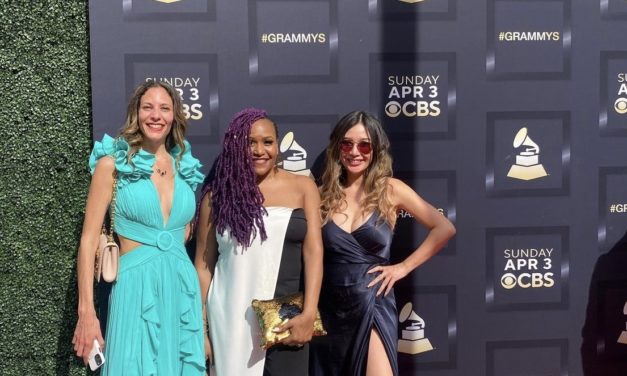
The billion-dollar music industry has shown recent interest in nonfungible tokens (NFTs) as musicians everywhere are beginning to understand the power of moving away from centralized business models. This concept is currently being demonstrated by early innovators like the popular rapper Snoop Dogg, who recently acquired Death Row Records with plans to transform the company into the first NFT recording label in the Metaverse. Country music icon Dolly Parton also recently launched her first NFT collection dubbed “Dollyverse,” which consists of tokenized artwork and music as part of a promo for her album Run, Rose, Run. NFTs: A topic of discussion during the 2022 Grammy AwardsWhile notable, the intersection of music and NFTs was brought to fruition during the 64th Annual Grammy Awards, which took place on April 3, 2022, at the MGM Grand Hotel and Casino in Las Vegas. The Grammys may very well be one of the most important events for the United States music industry, as a series of awards presented by the Recording Academy are given to recognize outstanding achievements within the music sector. Given the rise of NFTs, nonfungible tokens were hot topics of discussion during the 2022 Grammy Awards. Trevor Noah, comedian and host of the 2022 Grammy Awards, joked mid-way through the event, “You know it’s been rough when your favorite artists go from trying to sell you music to pictures of digital monkeys.” The remark was referencing the Bored Ape Yacht Club NFT collection. But, NFTs proved to be more than just a chuckle during the Grammys this year, as industry experts expressed interest in nonfungible token use cases. Cointelegraph made it to the red carpet at the #Grammys!@Rachelwolf00 and @BY_DeFi are excited to talk #NFTs with all the artists. Coverage coming soon pic.twitter.com/AG7lzsGZC3— Cointelegraph (@Cointelegraph) April 3, 2022For example, Tia Smith, Grammy governor and co-chair of the Music Video Committee, DC Chapter and the owner/executive producer and director of talentedSOL productions, told Cointelegraph that she is interested in learning more about NFTs and what they mean for the creative community as a whole:“NFTs seem like a very viable form of expression and commerce. There have been so many different industries adopting NFTs, and I’m very interested in creating content and forming partnerships to create NFT artwork as an extension of music, television and film.” Tia Smith (center) with Cointelegraph senior reporter Rachel Wolfson (left) at The Grammys 2022. Source: Tia SmithSmith added that her wheelhouse is film and television production, noting that this particular industry has undergone a number of transitions over the years. “We’ve seen the inception of film, video, digital, high-definition and so forth. But, there are other ways music and aspects of art are thriving, so I’m very much interested in the evolution of film and NFTs,” she remarked.While the NFT sector is still an emerging concept for music industry experts, Smith shared that she can understand how nonfungible tokens could soon be incorporated into major live shows such as the Grammy Awards moving forward. “We are living in the age of intellectual property and this is just another extension of this,” she said. It’s also notable that a few mainstream musicians decided to launch NFT collections during the Grammys this year. For example, the American rapper and record producer Gerald Earl Gillum, also known by his stage name “G-Eazy,” told Cointelegraph that he was extremely excited and honored to launch his first NFT collection at the Grammys this year. Known as “The Geralds,” this collection was created by the graphic designer Dzanar and launched on the NFT music platform built on Tezos’ OneOf NFT platform. G-Eazy explained that this drop features 10 unique 3D-NFT avatars that represent his diverse personality:“Anyone who knows me would say I’m an eclectic person with different interests and hobbies. So there are different avatars in this collection to represent that. For example, there is the ‘snowboarded G’ who loves the mountains and there’s a black leather jacket G with slicked-back hair who gets on stage to perform.” While “The Geralds” collection is certainly unique, it’s important to point out that G-Eazy may be the first artist to showcase an NFT collection at The Grammys. G-Eazy elaborated that this was important for him, given the pace of innovation today. “You have to pay attention to what’s going on, and this is where the world is now,” he commented. G-Eazy added that he has always been a big believer in art not being limited to one medium, noting that both of his parents are visual art professors. “I grew up appreciating many different forms of art and I think this is all cross-compatible with various industries.” In addition to G-Eazy’s NFT collection being launched during the 2022 Grammys, Colin Fitzpatrick, CEO of Animal Concerts — a platform that helps artists enter Web3 — told Cointelegraph that the Avila Brothers presented and unveiled their new hit track at the Resorts World Hotel in Las Vegas for the first time. “The track features Billy Ray Cyrus and Snoop Dogg and is called ‘A Hardworking Man.’ Animal Concerts are executive producers,” said Fitzpatrick. According to Fitzpatrick, an upcoming NFT launch will soon follow the newly released track. NFTs hit the red carpet this year, but why? While it’s noteworthy that NFTs were a topic of discussion at The Grammys this year, it’s important to point out that early NFT use cases came into development in 2017. As such, some may be wondering why it took over five years for nonfungible tokens to enter the spotlight. Josh Katz, CEO of Yellow Heart — a marketplace for music NFTs and live-event NFT ticketing — told Cointelegraph that one year ago, no one in the music industry really knew what nonfungible tokens were. Yet, Katz believed this changed when the American rock band, Kings of Leon, released one of the industry’s first NFT albums with Yellow Heart in March 2021. “Following this album, everyone in the music and entertainment industry started paying attention to NFTs. The more creative artists jumped in first, then everyone else started to poke around,” said Katz. Fast forward almost a year later — Katz believes that the music industry is now seeing mainstream adoption of NFTs given the potential around nonfungible tokens:“For years, we’ve had multiple formats of music content, whether this has been CDs, tapes or streaming platforms. But, now, fans want to be a part of an experience. They want to gain access to perks and utility, so NFT platforms are now releasing NFT music that a certain amount of fans will buy from innovative artists. This will soon become another revenue stream which many people in the music industry are now realizing.” To put this in perspective, Katz explained that traditionally, recording artists and musicians receive micro-payments from streaming services like Spotify that then go to a third-party record label, publisher and others. “All of these entities take a percentage of the payment and the rest trickles back to the artist. We call this the 90/10 rule, where an artist will take home only 10% of their earnings and everyone else gets the other 90%.” With NFT albums, however, Katz noted that an artist can sell a lot less and keep 90% of their earnings or more. Katz added:“The 2022 Grammys represents an inflection point where creativity is on display. NFTs are the future of the industry and the smarter artists at The Grammys are aware of this.” Crypto companies sponsor the 2022 Grammys to further innovate Given this, it’s also notable to point out that two crypto companies served as main sponsors during The Grammys this year. Binance, the popular cryptocurrency exchange, and OneOf, a green NFT platform working with musicians like G-Eazy, both had a major presence at the 2022 Grammys. Lin Dai, CEO and co-founder of OneOf, told Cointelegraph that he was excited to see tier-one companies in the blockchain space bringing crypto and NFTs to The Grammys:“The Recording Academy is the most important institution for the music industry and we know they are very selective when deciding which companies to align their brand with. We are excited that more and more crypto and blockchain companies are getting involved with the biggest tent pole events in music, sports and lifestyle and we expect the trend to continue.”Binance logo on display at The Grammys 2022. Source: Rachel WolfsonA Binance spokesperson further told Cointelegraph that Binance wanted to have brand visibility through its recent partnership with the Recording Academy. “We are exploring various avenues in which we can bring Web3 technology to the music community,” the spokesperson said. While innovative from a marketing perspective, the Binance spokesperson added that moving forward, Binance will be educating the Recording Academy’s members on cryptocurrency and how blockchain can help make their business more forward thinking and financially secure. Indeed, this appears to be the case for both musicians and businesses within the entertainment industry. For example, MGM Resorts International — the venue where The 2022 Grammys were hosted — recently announced a partnership with Yellow Heart to issue NFT tickets for its newest production, “Timeless.” The show features the dance crew, the Jabbawockeez, and will be Las Vegas’ first NFT ticketed performance. Andrew Machado, senior vice president of digital design and business adjacencies at MGM, told Cointelegraph that NFTs for ticketing could provide value for guests. “They turn something as mundane as a concert ticket into a living breathing digital object that can change with each situation such as entering the venue for a show or after the show as a collectible.” Machado added that the creator now has a one-to-one relationship with the NFT owner, meaning they can airdrop holders new content. “For example, in the case with Jabbawockeez, NFT holders will receive food and beverage credit at MGM’s Level Up lounge,” he said. In terms of issuing NFT tickets for a major event like The Grammys, Machado believes it’s possible, but only time will tell. “MGM Resorts sits at the intersection of entertainment and gaming and we believe NFTs can play a part there, but time will tell on consumer adoption.”

Čítaj viac

NFT LA: Attract the mainstream, focus on Web3 and use cases

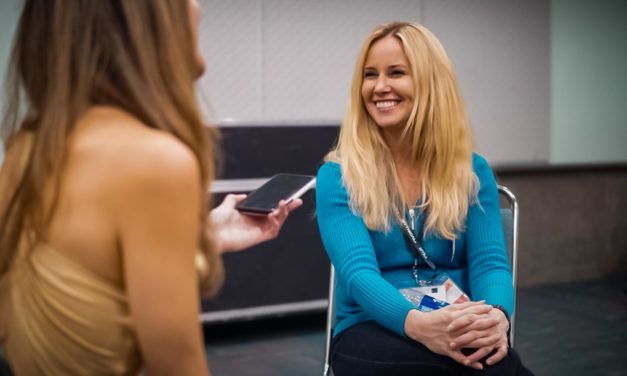
Nonfungible tokens (NFTs) have generated mainstream interest over the last year. A yearly market report from NonFungible found that the total value of all NFT transactions worldwide surpassed more than $17 billion in 2021, up from $82.5 million in 2020. The report also pointed out that “NFT” was selected as Collins Dictionary’s word of the year for 2021. Given the increasing amount of interest NFTs create, a number of events dedicated entirely to nonfungible tokens are also taking place, attracting a mix of both crypto enthusiasts and non-crypto natives. This was recently seen during NFT LA, a four-day-long conference that took place in downtown Los Angeles from March 29 to April 1, 2022. The organizers behind NFT LA told Cointelegraph that the event attracted over 3,500 people.Web3 education and onboarding were major themesWhile NFT LA featured a number of panels on different topics from over 250 speakers, there was a large focus on Web3 education and ways to onboard new users into the space. For example, Johnna Powell, global co-head of ConsenSys NFT — the NFT wing of Ethereum software developer ConsenSys — told Cointelegraph that the organization is particularly focused on enabling users to easily utilize a MetaMask wallet. Powell explained that she spoke about ways to ensure that Web3 resonates with the mainstream during her panel discussion at NFT LA:“When people get excited about NFTs, it’s not necessarily because they are thinking of Web3 or crypto. Rather, people are thinking about collectibles like stamps or trading cards. When NFTs are purchased through our platform, we want to create an easy user journey that introduces individuals to Web3.”Powell noted that ConsenSys NFT works with large brands and IP owners to enter the NFT space. In turn, these organizations are able to drive users to the ConsenSys NFT platform. “We then ease individuals into Web3 wallets like MetaMask,” said Powell. Once non-crypto natives become comfortable using a Web3 wallet, Powell believes that newcomers will eventually start to collect more NFTs.Cointelegraph senior reporter Rachel Wolfson sat down with Johnna Powell, global co-head of ConsenSys NFT at NFT LA. Photo Credit: Larry WongPowell also explained that ConsenSys NFT is working on NFT use cases that will resonate with the mainstream. For example, she said that ConsenSys NFT recently partnered with MAC Cosmetics on its first-ever NFT collection featuring the work of the late artist and activist Keith Haring. While Powell discussed ways to get the mainstream involved with Web3, Monica Long, general manager of RippleX — Ripple’s innovation arm — told Cointelegraph that she spoke about the evolution of Web2 to Web3 during her panel at NFT LA:“I talked about the role big tech companies play in the Web3 world. Overall, I think moving from Web2 to Web3 won’t happen overnight. We will see a blend of centralized and decentralized finance. I also talked about OpenSea and their role to make NFTs more user friendly.”According to Long, while NFTs are attracting mainstream interest, there are still a number of challenges that exist in terms of self-custody and user-friendly interfaces. “Web2 developers are great at ensuring user-friendly experiences, which we urgently need in the NFT space,” she remarked.Echoing Long, Matt Mason, chief content officer at Palm NFT Studio — a technology firm that partners with artists, creatives, IP owners and entertainment companies to onboard them into Web3 — told Cointelegraph that he spoke about how to launch NFT drops at scale, noting that user experience must be seamless. The Bat Cowl Collection NFT preview. Source: Palm NFT StudioPalm NFT Studio recently launched an NFT project with Warner Bros. Consumer Products’ DC Comics. Known as “The Bat Cowl Collection,” the drop featured 200,000 unique 3D-rendered Batman cowl NFTs.When launching an NFT project this large, Mason explained that both consumers and intellectual property holders need to have a user-friendly experience:“For fans, it’s about thinking about how to ensure they have a good experience with NFTs from the start. To ensure this, we’ve created a custodial wallet inside our platform where consumers only have to click a button to get their NFTs. This provides a better experience.”Mason added that as time progresses, consumers will become more interested in nonfungible tokens, which will eventually allow them to move assets around on the Ethereum network. “Roadmapping third-party wallet integrations are down the line for Palm NFT as we scale but, we have a large mainstream audience, so we need to make the NFT process as easy and as seamless as possible.”Regarding intellectual property holders like DC comics, Mason explained that many of these companies require conservative approaches to NFTs centered around compliance and regulations. “We stay close to what the Securities and Exchange Commission is doing and thinking, so compliance is a major aspect for us,” said Mason. As an example, Mason shared that The Bat Cowl Collection will be the first major NFT collection with sales tax built in. Specifically speaking, Mason explained that if users in Europe purchase one of these NFTs, they will be required to pay a value-added tax (VAT), while United States users will pay a sales tax:“We know sales tax is coming to the NFT space — by next year everyone will be doing this. If you are a brand as large as Warner Brothers, for instance, doing anything in the space dings your brand in terms of tax, compliance and regulation. Everyone in the NFT space talks about scale, but none of that will happen without regulation.”Use cases today and in the futureWhile education was a major topic of discussion at NFT LA, the event also allowed for the exploration of current use cases today while providing a glimpse into the future.Alex Salnikov, co-founder and head of product at NFT marketplace Rarible, told Cointelegraph that the NFT space is currently undergoing a massive market shift:“The year 2020 was all about crypto art, which is still generating about the same amount of volume this year. But, now profile picture NFTs like Bored Apes and CryptoPunks are skyrocketing. PFP NFTs are responsible for 90% of volume across the NFT space.”According to Salnikov, PFP NFTs are serving as aesthetically pleasing tickets to exclusive clubs and communities. “This is an entirely new concept,” he remarked. Salnikov added that NFTs also function as important assets in metaverse environments, acting as land, digital fashion for avatars and much more. “NFTs represent the ownership of goods in the digital universe we are building,” he remarked.Cointelegraph senior reporter Rachel Wolfson sat down with Alex Salnikov, co-founder and head of product at Rarible at NFT LA. Photo Credit: Larry WongIn addition to PFP NFTs, enterprise-focused NFTs are also coming to fruition. For instance, Long explained that Ripple is seeing interest in real-estate NFTs or carbon credit marketplaces that use nonfungible tokens. “Ripple has spent years working on the enterprise side, so we have operations skills to serve this area,” she mentioned.The Enterprise Ethereum Alliance (EEA) — a member-led organization focused on enterprise Ethereum use cases — has also started to pay close attention to enterprise NFTs. Dan Burnett, executive director of the EEA, told Cointelegraph that Palm NFT Studio recently joined the EEA board, representing the first NFT-focused participant:“We’ve definitely been paying attention to NFTs for a long time, but we’re really pleased to have experts joining the board who can help us make sure that we are providing the information background that businesses, individuals and solo entrepreneurs need in order to operate in this space. We’re not here for speculation. We’re here for real business.”Dan Heyman, Palm NFT Studio CEO and EEA board member, further told Cointelegraph that he has recently been seeing every enterprise with a consumer presence have discussions around NFTs. “Even the companies that haven’t done anything with NFTs yet are talking about what value they can bring.” Although this may be, Heyman pointed out that the efforts in the NFT space from large IPs have only gone so far, yet he referenced the recent DC Comics NFT collection as one of the first to demonstrate a long-term commitment to engage with consumers and fans through NFTs.What to expect moving forwardWith education and innovative use cases in mind, NFT LA presented attendees with a better idea of where the NFT space currently stands. While adoption is well underway, much work needs to be done in order to really bring use cases to the mainstream. For instance, Salnikov believes that the industry is still very much in the ideation stage:“Everyone is excited about NFTs being applied to everything right now. Part of these use cases will prove to be valuable and drive the market forward, and others will prove otherwise.”In terms of what to expect moving forward, Salnikov mentioned that the rise of PFP NFTs is resulting in community-led marketplaces versus traditional NFT marketplaces. “Every community wants their own marketplace now to ensure a seamless user experience.”Salnikov elaborated that today, when a PFP collection launches, there is typically a website where users can mint, connect their wallets and buy items. There is usually a Discord group as well and a secondary marketplace where NFTs can be traded. “Secondary marketplaces break the customer journey,” Salnikov stated. He added that communities want users to stay on their website for secondary trading, which is why the space will see an influx of community marketplaces in the future.Decentralized autonomous organizations (DAOs) are also becoming more common with community-focused NFT projects. Yat Siu, co-founder and chairman of Animoca Brands — a Hong Kong-based gaming and venture capital company — told Cointelegraph that DAOs will start to govern NFT communities moving forward.Another interesting trend the NFT sector can expect to see is stories being woven into nonfungible tokens. Mason explained this in detail, noting that The Bat Cowl NFT collection will soon appear in comic books. “We have a director of storytelling working closely with the DC Comics editorial team.” According to Mason, NFTs will pave the way for decentralized storytelling. “Transmedia is about telling stories across different platforms — NFTs are built for that.”Although it’s hard to predict the future, Salnikov added that he believes the NFT industry is moving toward a trillion-dollar market in the next 10 years, or even sooner. “This wouldn’t be possible without the ideation stage we are currently in.”

Čítaj viac

‘Our democracy will better evolve because of DAOs,’ says Animoca's Yat Siu

The rise of Web3 has paved the way for new business models that could shape the next phase of the internet. For instance, nonfungible tokens (NFTs) will play a large part in the open metaverse as the underlying assets people interact with. Decentralized autonomous organizations (DAOs) are also coming to fruition to allow for community governance within virtual environments. The growth of Web3 has essentially allowed NFTs and DAOs to flourish. For example, recent data from DeepDAO — a DAO stats platform — shows that DAOs have experienced 130-times growth over the last year, reaching a market capitalization of $24.8 billion. In December 2021, DeepDAO found that the total assets under management (AUM) for DAO treasuries listed on the platform increased from around $380 million in January to a peak of roughly $16 billion in mid-September. Nonfungible tokens are also on the rise as a number of crypto-platforms and mainstream organizations continue to implement NFT use cases. Given this increased interest, Cointelegraph spoke with Yat Siu, co-founder and chairman of Animoca Brands — a Hong Kong-based gaming and venture capital company — during NFT LA to better understand the impact that NFTs and DAOs will have on the future of the internet. Cointelegraph Senior Reporter Rachel Wolfson sat down with Yat Siu at NFT LA. Photo Credit: Larry WongCointelegraph: Thanks for joining me, Yat. Can you please explain what you spoke about during your fireside chat at NFT LA?Yat Siu: Sure, I talked about the future of NFTs and briefly discussed why I think nonfungible tokens are going to usher in human creativity that is truly valued. Currently, the content we create is an asset, which actually becomes a platform in itself because it is the data we own. In regard to Web3, I think that the idea of the open metaverse has now become permanent — it’s powerful. It represents hope, along with the idea of equity in a democratic fashion. In order to explain this, I compared the open metaverse to how people typically view America. America represents freedom of expression, natural rights, self-sovereignty and more. I’m optimistic because the people building in Web3 are striving toward that similar goal.CT: What role do NFTs and DAOs play in Web3? YS: NFTs are critical because they represent the assets and items of the Metaverse, or things we own. The way we govern this is through decentralized autonomous organizations. They determine our rights in the Metaverse.Nonfungible tokens also present greater opportunities than physical items do in the real world. For instance, if I own land in The Sandbox, I now have the ability to not only build on what Sandbox gave me as tools, but I can also have any third party come in and construct a new idea and innovation. This means that we can create a Cambrian creative explosion because we can build and compose freely on assets someone else has formed. We’ve experienced small instances of this in Web2. Take YouTube, for example. Users can upload a video to that platform, but I remember Hollywood executives initially didn’t believe that anyone would want to watch someone else eating food or dancing — now, look at YouTube. YouTube demonstrated that we can combine the culture of user-generated content with our own experiences. However, ownership does not belong to the creator in this instance, it belongs to YouTube. Web3 gives this back to the end user, and NFTs are critical assets in this equation. CT: There is an influx of DAOs at the moment. How does Animoca decide which to invest in? YS: From an investing perspective, we look at where value is driven within DAOs. For instance, if you look at ApeCoin (APE) or Sandbox (SAND), owning these tokens is a way to be part of a network effect and power those communities they represent. If you think The Sandbox is going to keep growing, then it makes sense to have that token since those people most likely care about the future of that community. You also see this in countries. For example, America is one of the most desirable immigration spots in the world. As such, the resources and systems within America are more valuable. If you have a stake in America, then you’d be doing well in the long term since it’s desirable, so having a vote and being a citizen is also valuable. That’s what a DAO really is. From an investment perspective, one way to look at DAOs is by the community strength and whether it’s a desirable place to be. It’s not just about how much money the DAO makes, but it’s also about whether it has longevity or if it serves the community well. People aren‘t going to be a part of Sandbox, ApeCoin or any other community if the members don‘t serve the community properly. DAOs that treat the community well have more loyalty and strength, and that‘s what we believe in when investing in DAOs. CT: What is the difference between centralized and decentralized metaverse environments? YS: People sometimes make a distinction between closed and open metaverses. For instance, you can say Facebook is a closed metaverse while The Sandbox is open. Animoca generally calls every metaverse that isn‘t open a “fake metaverse.” We call closed metaverses fake because we don’t actually own anything. Everything on Facebook belongs to Facebook, for instance. They can delete users’ content and their legacy if they choose to. For us, that can‘t be a metaverse since we are unable to have an identity in these worlds. Therefore, the open metaverse is the only real way of ownership. NFTs are a fundamental part here since we actually own these assets. CT: Can you elaborate on how DAOs act as governing bodies for NFTs? YS: Decentralized autonomous organizations are living structures that exist on a blockchain network that allow us to take governance and control over decisions made in a democratic fashion. DAOs iterate on democratic systems at the pace of technology. Therefore, I think our democracy will evolve stronger and better because of DAOs. For example, countries might look at DAOs as a consensus mechanism that works well for a virtual society serving millions of users. Iterating on democracy in the physical world can be risky, but this isn’t the case in a technological framework. You now have a sandbox to experiment on — some DAOs will fail, some will succeed and different governance models will develop. This is how we can innovate on what could become the most optimal form of a democratic process that can’t be explored physically because it’s too risky and expensive. The ApeCoin DAO, for instance, is fascinating because it’s a very vocal community that doesn‘t have the same level of understanding when it comes to certain terms, but we think it will evolve over time. This is a living example of a functioning DAO where people can express their thoughts on things they agree and disagree with.CT: What excites you most about the future of DAOs and Web3?YS: The framework and idea of composing and constructing democratic systems together — even if people don‘t have the same level of understanding — is equitable in itself.We are excited about Web3 because the future of work is all digital, and the resources of Web3 are data created by users. As such, we are the creators of our own equity, which provides everyone with a form of universal basic equity. Imagine if Facebook considered all of its users to be workers that provide the company with data. Well, this is what we are doing for free. We think data should be a natural right, like property, meaning users have ownership of the data they create. This will completely reshape how the digital world interacts with the physical world.

Čítaj viac

NFT adoption: Tokens take the runway at Metaverse Fashion Week

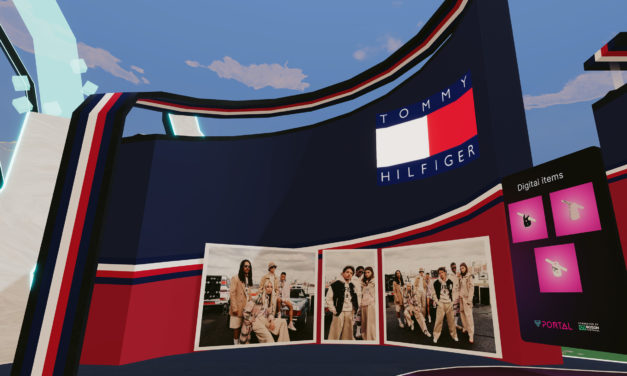
The Metaverse may be an emerging concept, but the impact that virtual game-like worlds can have on the trillion-dollar retail industry was recently demonstrated during Metaverse Fashion Week (MVFW). This entirely virtual experience was held from March 24–27, 2022, in Decentraland, a decentralized virtual social platform on the Ethereum blockchain. The online event attracted more than 70 brands, artists and designers including big names like Tommy Hilfiger, Estée Lauder, Philipp Plein, Selfridges and Dolce & Gabbana. Gigi Graziosi Casimiro, head of Decentraland’s Metaverse Fashion Week, told Cointelegraph that MVFW is a diverse event aiming to connect physical and digital fashion with traditional brands and new creators:“MVFW is important because it connects many parts of a bigger engine in the fashion industry. This event allows brands to explore new possibilities for their creation and communication with customers. We are essentially building a stronger fashion community in Decentraland that allows people to express art beyond physical limitations.”Bridging the physical and the digital Indeed, MVFW provided a glimpse into what the future of fashion may look like, asbrands and designers displayed wearable nonfungible tokens (NFTs) on 3D genderless avatars that strutted across fantasy-like catwalks. While the concept may sound entirely unrealistic — which is the intent — renowned fashion designers praised MVFW as one of the most exciting and opportunistic ways for brands to further engage with consumers.Avery Baker, president and chief brand officer of Tommy Hilfiger Global, told Cointelegraph that the Tommy Hilfiger brand has been curious about new trends and technologies, especially those that allow the label to connect with consumers in unique ways:“Consumers’ appetite for digital experiences has never been stronger and as we integrate the digital and physical worlds, the Metaverse offers endless opportunities for creativity, collaboration, storytelling and community building. Whether it’s NFTs, avatar fashion shows or something else we haven’t explored yet, I’m excited to see what’s to come.”Tommy Hilfiger store at MVFW. Source: Boson ProtocolEchoing Baker, American fashion designer Tommy Hilfiger mentioned during a fireside chat that the Metaverse is the future of fashion that took place at MVFW. Hilfiger was alongside Justin Banon, co-founder of Boson Protocol — a Web3 protocol building a settlement layer for commerce in the Metaverse — and Cathy Hackl, chair of MVFW. At the beginning of the discussion, Hilfiger stated:“It’s part of our DNA to embrace what’s next, and I really believe the Metaverse is next and will lead us to more creativity, more experiences and more opportunity to build a community of fans worldwide.”Fireside chat with Tommy Hilfiger, Boson Protocol and chair of MVFW. Source: Boson ProtocolGerman fashion designer Philipp Plein also participated in MVFW, displaying his latest digital-only NFT collection in the newly acquired $1.4 million Plein Plaza, a 176,528 square-foot plot of land in the Decentraland metaverse.3D avatar wearing a Philipp Plein NFT at MVFW. Source: Philipp PleinPlein told Cointelegraph that he chose to be a part of MVFW for a few reasons, one being that the first event he hosted in Decentraland was very successful. “We had our first event in Decentraland in February this year, which featured a real humanoid robot representing our voice in the Metaverse. We attracted over 3,000 attendees and sold 11 sneakers within an hour via an auction powered by NFT auction house Portion,” he said. Plein added that the average time attendees spent at his initial metaverse event was 40 minutes, which is much longer than the amount of time consumers typically spend looking at websites.Shedding light on this, Banon told Cointelegraph that brands can better engage with consumers in the Metaverse since virtual environments blur the boundaries between physical and digital worlds. “What we are seeing is physical and digital items becoming “digiphysical” — digital tied to physical — or physical items that have an experience component as well,” he said. In terms of how this will play out, Banon elaborated that Boson Protocol enables digital and physical elements to be represented by an NFT that can be gamified, tradable and programmable, making the Metaverse a game-like world for commerce. “This is all merging into physical and digital experimental commerce,” he said.To put this in perspective, Banon said during the fireside chat that in the future, there could be a window display at a flagship Tommy Hilfiger store featuring a digital jacket that can’t be purchased in-store. In order to buy this item, Banon noted that consumers would have to scan a QR-code that would then take them to a metaverse environment, like Decentraland, where a game or quest would have to be played in order to earn an NFT. This NFT would then potentially unlock three components: a digital wearable to wear in the Metaverse, a redeemable physical NFT that can be claimed from a store or website or an experimental NFT that will give consumers access to a Tommy Hilfiger fashion show or event in the future. “That physical to the digital experience for retailers is what the Metaverse and Boson Protocol enables,” explained Banon.Although only a fewmajor brands have been dabbling in physical to digital designs, Hilfiger commented during the fireside chat that he wants to be a step ahead of the competition. He said:“The Metaverse allows us to evolve the retail journey we are on. We are always looking for ways to make retail exciting because we know it can get boring doing what we’ve been doing in years past, which is just selling physical products. If we are living in the Metaverse, it allows the community to create digital skins, buy, sell, trade them or put them on avatars to play games with and then reap the rewards.” Tommy Hilfiger store at MVFW. Source: Boson ProtcolIn addition to digital wearables displayed on 3D avatars, MVFW featured pop-up shops from retailers selling NFT accessories tied to physical items. For example, Privé Porter, a global leader in luxury collectible accessories, planted its luxury resale pop-up shop in Decentraland’s Threedium Plaza. During the four-day event, Privé Porter featured four 3D NFT Hermès bags exceeding $500,000 in value.Hermès 25cm Birkin In and Out Biscuit/Multicolor Swift Leather Palladium Hardware (Z/2021) will be selling for 19.32 ETH ($58,000) during Privé Porter’s MVFW Pop-Up. Source: Privé PorterJeffrey Berk, co-founder of Privé Porter, told Cointelegraph that the company has never dabbled in e-commerce before, noting that Privé Porter has exceeded over $130 million in revenue to date, largely off of its Instagram account. Berk noted that there is also a physical Privé Porter located in Miami’s Brickell City Center. According to Berk, Privé Porter plans to become involved with e-commerce to reach other platforms and expand, which is why the reseller featured 3D NFT Hermès Birkin and Kelly handbags during MVFW. “We are offering a more engaging experience than anyone else selling a Birkin today,” said Berk.Berk elaborated that consumers who visit the Privé Porter pop-up are able to interact with the items by clicking on the 3D handbags. Boson Protocol’s technology then creates a pop-up interface with pictures, descriptions and other data specific to the item. If a consumer wishes to buy a bag, they will be asked to confirm a blockchain transaction that results in Boson Protocol’s smart contracts taking custody of the payment and the issuance of an NFT Voucher, redeemable for the physical good. “The buyer may then decide to transfer, trade or redeem the NFT Voucher for the physical item,” explained Berk. He added that if a customer decides to redeem the voucher, Privé Porter will deliver the item and issue the customer a Privé “A-NFT,” which is an authenticated nonfungible token where the amount of the sale is forever documented on the blockchain. Although MVFW ended on March 27, Berk said that the Privé Porter pop-up saw enough traffic that Threedium — the company’s 3D technology partner — asked Privé Porter to extend its presence in Decentraland through the end of April 2022.Privé Porter Hermes handbag seen on OpenSea. Source: Privé PorterIn addition to Privé Porter, the privately-held jeweler and wristwatch retailer Jacob & Co. hosted a showroom at MVFW in the UNXD Luxury District to display its new “Astronomia Metaverso” collection. Shashi Menon, Dubai-based publisher of Vogue Arabia and founder and CEO of UNXD, told Cointelegraph that he views this collection as a catalyst to how luxury fashion accessories will look in the future. “Jacob & Co. will do the same for watches and jewelry as Dolce & Gabbana did by becoming the first luxury label to display their designs in the Metaverse,” said Menon.MVFW gives a glimpse of the future of retail, but will it catch on?While the Metaverse enables a greater opportunity for brands and designers to reach consumers, some may wonder if this game-like concept will resonate with the mainstream, especially older generations. For instance, Hilfiger mentioned during his panel that the Metaverse is unlocking the future of fashion, specifically because we are living within a culture defined by Generation Z. “We have to speak their language, and this is the language they speak,” commented Hilfiger.Although this concept may resonate with younger individuals, the technical aspects associated with the Metaverse may be challenging for some. For example, some users expressed technical difficulties during MVFW, noting that computers couldn’t handle Decentraland’s requirements.my laptop fan sounded like it was about to take off on an international flight ✈️— cryptochic (@CADcrypto) March 24, 2022Regarding technical complications, Casimiro explained that Decentraland is optimized to run as smoothly as possible across the board, but “older systems, out-of-date software, etc., occasionally may see unforeseen issues.” Moreover, the graphics in Decentraland may also require improvement once marketing in the Metaverse gains traction with more brands. Jason Rosenstein, CEO of Portion — an NFT marketplace built on Ethereum — told Cointelegraph that there are limitations in Decentraland due to low resolution and texture. “We have to put this on the blockchain, so it’s super-low resolution, which is a huge constraint for brands. But, this is a problem for every metaverse ecosystem today,” he said.Concerns aside, MVFW seems to have convinced many that the future of retail does indeed exist in the Metaverse. According to Banon, Boson Protocol is already working with many brands on creating a metaverse strategy:“In the next 12-18 months, brands will experiment and do pilots in the Metaverse. Some may fail, but in the next two years brands won’t get a pass. If you are a marketing or innovation director of a brand and don’t have a metaverse strategy in place, you probably won’t have a job moving forward.”While it’s difficult to predict the future, it’s worth mentioning that crypto investment giantGrayscale recently found the Metaverse to be a trillion-dollar revenue opportunity across advertising, social commerce, digital events, hardware and developer/creator monetization. Moreover, designers who have already started exploring the Metaverse are currently shaping the ecosystem for others. For example, Hilfiger remarked during his panel that moving forward, it will be up to the Hilfiger community and consumers to determine what products they want to shop for:“I think that in five years time, we are going to see digital and virtual stores that will change rapidly and not remain the same. We want to create stickiness. We want our community to come to Tommy Hilfiger and stay there as part of their lifestyle, so they are going to tell us what they want and need.”Plein added that he currently has 100 stores worldwide, but he will soon be opening a pop-up shop in London where customers will also be able to purchase NFTs upon check out as wearables for avatars in the Metaverse. “This is an upsell that will be available to our clients, which will also help bring the mainstream in,” he said. Banon added, “in a year or so, it will be unusual for brands not to offer digital wearables.” 

Čítaj viac

Získaj BONUS 8 € v Bitcoinoch

nakup bitcoin z karty

Registrácia Binance

Burza Binance

Aktuálne kurzy