Autor Cointelegraph By David Attlee

Gibraltar rolls out new virtual asset regulation to combat market abuse

The British overseas territory of Gibraltar introduced a new regulatory package for distributed ledger technology (DLT) service providers. The document elaborates on the responsibilities of crypto businesses in regards to threats of market manipulation and insider trading. On April 27, the government of Gibraltar published the 10th Regulatory Principle of the country’s financial services regulation. The details are revealed in a Guidance Note, provided by the Gibraltar Financial Services Commission (GFSC), the chief finance regulator of the territory. The regulation, crafted by a special working group that included both government officials and  industry experts, sets operational guidelines for preventing market abuse. DLT providers are expected to monitor the movement of significant virtual asset holdings, publication of information that could be aimed at generating false or misleading market signals, and to investigate whether algorithmic-based systems are being used to generate deceptive data around transaction volumes.The regulation also requires crypto companies to seek and prevent any insider trading activities and to inform the public of any relevant information “as soon as possible.” Proposed trading standards also include putting in place measures to reduce the liquidity providers and market makers’ capacity to significantly alter asset prices. Albert Isola, Gibraltar’s Minister for Digital and Financial Services, expressed his confidence that the introduced measures will help the jurisdiction maintain its already strong relationship with the crypto sector. Isola commented to Cointelegraph:”The introduction of the 10th Principle, with a significant input from industry, will develop further our regulatory framework. It provides permissioned firms with clear guidance on the standards that are required of them as well as providing consumer and jurisdictional protection.”One of the leaders of the working group, fintech lawyer Joey Garcia, commended Gibraltar’s push to comply with FATF recommendations: “It is great to see […] Gibraltar lead in setting standards, particularly when the FATF has cited market integrity and prudential requirements as factors that jurisdictions should consider when developing regulatory requirements for the space.”A home to the population of roughly 34,000 people, Gibraltar emerged as an attractive location for crypto in recent years. ​​Following approval from the GFSC, crypto exchange Huobi had reportedly moved its spot trading operations to its Gibraltar-based affiliate.

Čítaj viac

New York legislators to vote on PoW mining moratorium this week

The New York state legislature might ban Proof-of-Work (PoW) crypto mining in the state for at least two years, citing environmental concerns. Over the past weekend, on April 23 and 24, several crypto advocacy groups — including the Blockchain Association and Crypto Council for Innovation — rang the alarm over the upcoming vote in the New York Assembly. The state legislature’s official webpage did not indicate a specific date for the vote.1/ New York’s proposed moratorium on proof-of-work (S6486D/A7389C) mining has an unintended consequence – it puts innovation on the back burner. It would have significant implications for the security of major crypto protocols.https://t.co/cOT4njQDqZhttps://t.co/M7LTuHmV1Z— Crypto Council for Innovation (@crypto_council) April 24, 2022 1/ The NYS legislature is preparing to ban PoW mining…we’re calling on all pro-tech, pro-innovation, pro-crypto NYS residents to make their voices heard. Tweet and email your assembly member via the link below https://t.co/N50iLJO3To— Blockchain Association (@BlockchainAssn) April 22, 2022

The bill,  S6486D/A7389C, seeks to establish a two-year moratorium on cryptocurrency mining that utilizes Proof-of-Work (PoW) consensus mechanism. It would amend the existing environmental conservation law to comply with the 2019 Climate Leadership and Community Protection Act, which implies a 40% greenhouse gas emission reduction by 2030. As the co-sponsors of the bill believe, the PoW mining stands in the way of reaching this goal. Hence, they propose a moratorium on mining permits issuance and renewal. The bill offers some important reservations, though. As one clause goes, “the department shall not approve an application to renew an existing permit […] if the renewal application seeks to increase or will allow or result in an increase in the amount of electric energy consumed or utilized by a cryptocurrency mining operation.” This could mean that mining businesses’ applications seeking to preserve the existing capacities already licensed by the state would not be subject to new restrictions. Another important caveat is that both moratorium paragraphs are aimed at the “electric generating facilities” that “utilize a carbon-based fuel,” meaning that the proposed legislation would not extend to the operations that use renewable energy in mining. It would, however, cover facilities like Greenidge Generation’s converted natural gas power plant near Seneca Lake, which has been at the center of court battles in the recent years. Crypto industry’s advocacy groups have called on the “pro-tech, pro-innovation, pro-crypto” residents of the New York State to get active and encourage their assembly members to vote against the moratorium. After the Assembly vote, the bill must pass the State Senate before it gets to the desk of the governor who has the power to veto it.

Čítaj viac

Macron or Le Pen: What promise does each presidential candidate hold for crypto?

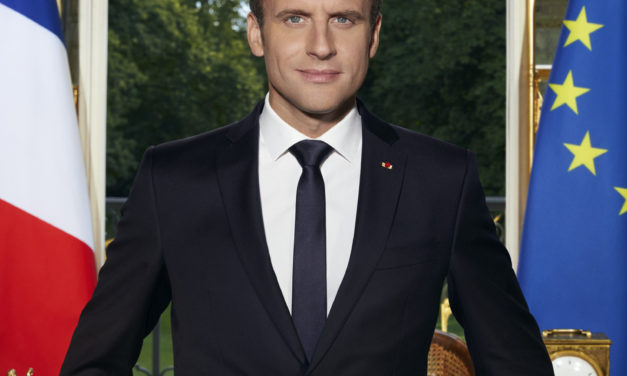
As France braces for the April 24 presidential election in a runoff, political pundits around the globe are making their bets. The choice is between the centrist incumbent Emmanuel Macron and right-wing populist Marine Le Pen. Much of the political debate this time revolves around economics, but there is one indispensable part of it that is largely absent from the candidates’ electoral agendas: digital assets. While both have a record of public statements on matters related to crypto, neither Macron nor Le Pen seems to be likely to trigger any significant policy change with regard to the French digital economy. State of the artDespite the current administration’s notable efforts to embrace the IT industry, France is still, in many ways, not a particularly tech-friendly country. For years, its authorities have been fighting in the avant-garde of the European regulatory cause against United States tech behemoths’ tax “optimization” practices, such as opening European offices in more relaxed jurisdictions such as Ireland and Luxembourg. In the way of regulation, the country does not have a specific regime for crypto, but the general regulatory climate is rather harsh. The main legislation regulating the industry is the 2019 Action Plan for Business Growth and Transformation of enterprises, or PACTE. It obliges any crypto firms in France (legally defined as digital asset service providers) to register with the Financial Markets Authority (AMF) and to comply with the Anti-Money Laundering and Combatting the Financing of Terrorism (AML/CFT) requirements set out by the European Union’s Fifth Anti-Money Laundering Directive. Perhaps the biggest headache for the crypto industry is the strict Know Your Customer (KYC) policy, which sets no transaction value threshold for invoking reporting rules. In other words, every crypto transaction worth 1 euro or more requires a full KYC procedure, including the disclosure of the parties’ full names, addresses and contact details.On the bright side, disciplined industry players have a chance at obtaining a special license from the AMF, allowing them to apply for French bank accounts. As Thibault Verbiest, a Paris-based partner at the law firm Metalaw, explained to Cointelegraph, French banks are reluctant to open bank accounts for crypto companies.Meanwhile, the central bank of France is actively exploring a potential central bank digital currency (CBDC).French regulatory activismFrench officials play an active role in the international regulatory process. In February 2021, Robert Ophèle, chairman of the AMF, proposed consolidating all the power and responsibility for crypto regulation in the hands of the European Securities and Markets Authority. He also emphasized the crucial role of blockchain technology in the future of the European economy. The proposition was later repeated by the French government. Four months later, in June 2021, Bank of France governor François Villeroy de Galhau doubled down on the call to create a pan-European crypto regulatory framework as soon as possible. In contrast to Ophèle, de Galhau’s perspective on the matter sounded far less friendly.Stressing the threat of crypto eroding “monetary sovereignty,” he estimated that Europe had only one or two years to solve the problem. The EU regulators responded with some major initiatives, such as stepping up work on the Market in Crypto-Assets regulatory framework and the current Transfer of Funds Regulation’s revision with tighter scrutiny of individuals’ transactions.Nevertheless, the French government has made efforts to support the crypto industry domestically. “France has put itself at the forefront of crypto innovation, at least in terms of the adoption of the regulatory framework and some partnerships with major actors of the industry and the support via the financing of new projects,” Verbiest observed.In November 2021, standing alongside Cédric O, the French secretary of state for the digital economy, Binance CEO Changpeng “CZ” Zhao announced a partnership with the local financial technology association France FinTech, pledging to spend $115 million on the development of the European crypto industry.Cautious balancing vs. disinterested suspicionAccording to a recent study, 4% of French adults consider cryptocurrencies a topic that will determine their vote in the presidential election. This modest number is reflected in the amount of attention both candidates have been giving to crypto. A former banker himself, Macron has taken a cautious stance by largely repeating calls for more regulation. At the Davos International Forum in 2018, he called Bitcoin (BTC) and digital currencies “the most aggressive players on the financial markets […] who can create financial crises and deregulate systems,” alongside shadow banking.As Verbiest reminded, Macron was trained to be a high-ranking official of France’s treasury department. Thus, it’s only natural for him to prioritize the European banking sector’s anxieties over the interests of the digital economy:“Crypto disrupts banking, and France has a very powerful banking sector. In addition, the European Union and the euro require that France find a consensus with the other European member states on monetary and financial questions.” Nevertheless, Macron’s first term brought into the halls of power at least two notable individuals who openly support the crypto industry. Back in 2019, O promised “all crypto-asset and blockchain actors” support by setting up “comprehensive and credible conditions” for growth. Several years later, though, O justified the tightening of AML/CFT and dismissed crypto entrepreneurs’ reservations about the policy, saying that he didn’t believe that France was “missing the train of blockchain technology.” Emmanuel Macron, the current President of France. Source: www.elysee.frPierre Person, a 33-year-old member of the French Parliament, was one of the co-founders of the youth organization, Les Jeunes avec Macron, as well as the “left-wing liberal” think tank in support of Macron’s policies, La Gauche Libre. In 2019, he presented a business-friendly report on blockchain to the French legislators and has been advocating for the creation of the European stablecoin ever since.More recently, however, Person stepped down from the leadership position in Macron’s La République En Marche movement and shared his disenchantment with the government’s actions on crypto. Macron’s contender, the leader of the familial nationalist party National Rally, Le Pen, always preferred to talk about immigration threats rather than the digital economy. However, she has her own record of a U-turn toward crypto in public speeches.Marine Le Pen, Member of the French National Assembly and presidential candidate. Source: mlafrance.frIn 2016, ahead of the previous election, she called for Bitcoin’s ban, presenting it (and the digital currencies in general) as an idea originating from the “powerful Wall Street business lobby.” Since then, Le Pen has toned down the Wall Street narrative, limiting herself to support of strict regulation of crypto assets. In contrast to Macron’s entourage, she or her confederates are yet to say a good word about either cryptocurrency or blockchain technology more generally. No to self-regulated sector, yes to pan-European approachIrrespective of the outcome of Sunday’s vote, France will likely stay in line with the pan-European regulatory process that the country itself has been contributing to for years. Speaking to Cointelegraph, Stephen Stonberg, CEO of crypto exchange Bittrex Global, commented: “It is unlikely that France would have any major issues with the EU’s upcoming Markets in Crypto-Assets [MiCA] regulation, as French regulators will be aware that a pan-European approach will be necessary to adequately oversee the industry. In fact, it’s more likely that French regulators are waiting for MiCA before making any major moves or commitments.”Should Macron prevail, his administration will likely stay on its current course — a combination of cautiously crypto-friendly (with an emphasis on blockchains, not currencies) rhetoric and strict but not prohibitive policy toward digital assets, in full accordance with the FATF and EU frameworks.A great summary of Macron’s ambiguous relationship with crypto is his interview, given several days before the second round of the election. Responding to questions on digital assets and Web3, the incumbent managed to elude pronouncing the word “crypto” once while uttering familiar phrases about his country’s mission to become the leader in the digital economy and support innovations. Perhaps, the most important words are:“I don’t believe in a self-regulated financial sector. This would be neither sustainable nor democratic. It is up to the public authorities to define the right conditions to allow the sector to develop in confidence while encouraging innovation.”With Le Pen, there is always a chance of a distinct anti-EU stance, but it’s hardly good news for the crypto industry. The candidate, who mixes bits of left and right sentiments in her populist cocktail, hasn’t given any signs that she could be particularly interested in the digital economy.

Čítaj viac

Emmanuel Macron on crypto: 'I don't believe in a self-regulated financial sector'

Mere days before the second round of the fateful presidential election in France, the incumbent President of the Republic, Emmanuel Macron, sat down with local media to share his thoughts on the digital economy — a subject he didn’t speak on much before. While emphasizing the importance of the sector, Macron once again reiterated his support for the pan-European approach to financial technology regulation. The interview with French publication The Big Wale came on April 22, two days before the runoff that will see Macron face the right-wing populist Marine Le Pen. According to most polls, Macron is more likely to win, yet the margin is expected to be very thin. In the 2017, he outpaced Le Pen with 66.1% of the vote in the second round. Responding to a sequence of questions about digital economy, Web 3.0 and crypto, the incumbent President stood firm by his trademark cautiousness toward innovation:“It represents […] an opportunity not to be missed […] for France and Europe to lead the future generations of the web. But it is also a social and societal challenge.”Macron seemed pleased to note how number of French unicorn companies ⁠— that is, private startups valued at $1 billion or more ⁠— rose from 3 to 26 during his presidential term, while overall investments in French startups increased fivefold. He also mentioned setting the bar at 100 French companies with a unicorn status and 10 being European giants by 2030. One way to achieve that, Macron said, would be expanding code learning in public schools to train 400,000 to 500,000 additional developers over the next five years. The president also elaborated on his earlier mention of the “European metaverse,” saying that it is important that European players do not depend on American or Chinese technological giants in “mastering the technological building blocks associated with Web3.” Europe, he maintained, has an edge in the NFT sector due to its imense cultural heritage. Macron said:“We cannot consider our cultural policy without this revolution. I want our main cultural institutions to develop an NFT policy, by promoting, disseminating and protecting the digital twins or variations of their physical collections.”Commenting on the recent European Parliament regulations of crypto, Macron supported the current approach (and the MiCA framework specifically), noting that the new rules should not hinder innovation:“I don’t believe in a self-regulated financial sector. This would be neither sustainable nor democratic. It is up to the public authorities to define the right conditions to allow the sector to develop in confidence while encouraging innovation.”The 44-year-old politician also vocally supported the digital euro project, which has been getting pushback from the public recently.

Čítaj viac

'Let’s build a Europe where Web3 can flourish:' Crypto companies sign an open letter to EU regulators

Forty crypto companies cosigned an open letter to the European Parliament, European Commission and other principal E.U. institutions with a call to ensure common-sense regulation, standardized compliance procedures, and an innovation-friendly business environment. An open letter on behalf of the international Web3 community and “businesses across Europe,” shared with Cointelegraph by one of the signatories, went out to EU institutions on April 19. The industry players expressed their concerns over some recent EU-level regulatory initiatives:“We wish to urgently convey our concern with proposed EU laws that threaten the privacy of individuals as well as digital innovation, growth and job creation in Europe.”More specifically, the cosigners claimed that recent proposals by some EU legislators, such as data disclosure requirements for non-custodial crypto wallets, can make the adoption of Web3 solutions excessively burdensome for European citizens. The crypto stakeholders encouraged regulators to “not exceed the FATF Travel Rule recommendations for Crypto Asset Services Providers (“CASPs”) record-keeping and verification” and “ensure that decentralized protocols and entities are exempt from legal entity organization and registration.”Related: Unhosted is unwelcome: EU’s attack on noncustodial wallets is part of a larger trendOther requests included the exemption for algorithmic or otherwise decentralized stablecoins from the asset-referenced token definition in the proposed EU Regulation on Markets in Crypto Assets, or MiCA.Among the stakeholders that have signed a letter are Pascal Gauthier of Ledger, Diana Biggs of DeFi Technologies, Jean-Baptiste Grafiteau of Bitstamp Europe, Lane Kasselman of Blockchain.com and others. On March 31, members of two European Parliament Committees voted in support of the Anti-Money Laundering (AML) regulatory package that seeks to revise the current Transfer of Funds Regulation (TFR) in a way that requires crypto service providers to “verify the accuracy of [the] information concerning the originator or beneficiary behind the unhosted wallet” for every transaction made between a service provider (typically, a crypto exchange) and a non-custodial wallet. Many prominent founders and executives in the crypto space condemned the move, calling the requirements excessive and unfeasible. 

Čítaj viac

Získaj BONUS 8 € v Bitcoinoch

nakup bitcoin z karty

Registrácia Binance

Burza Binance

Aktuálne kurzy